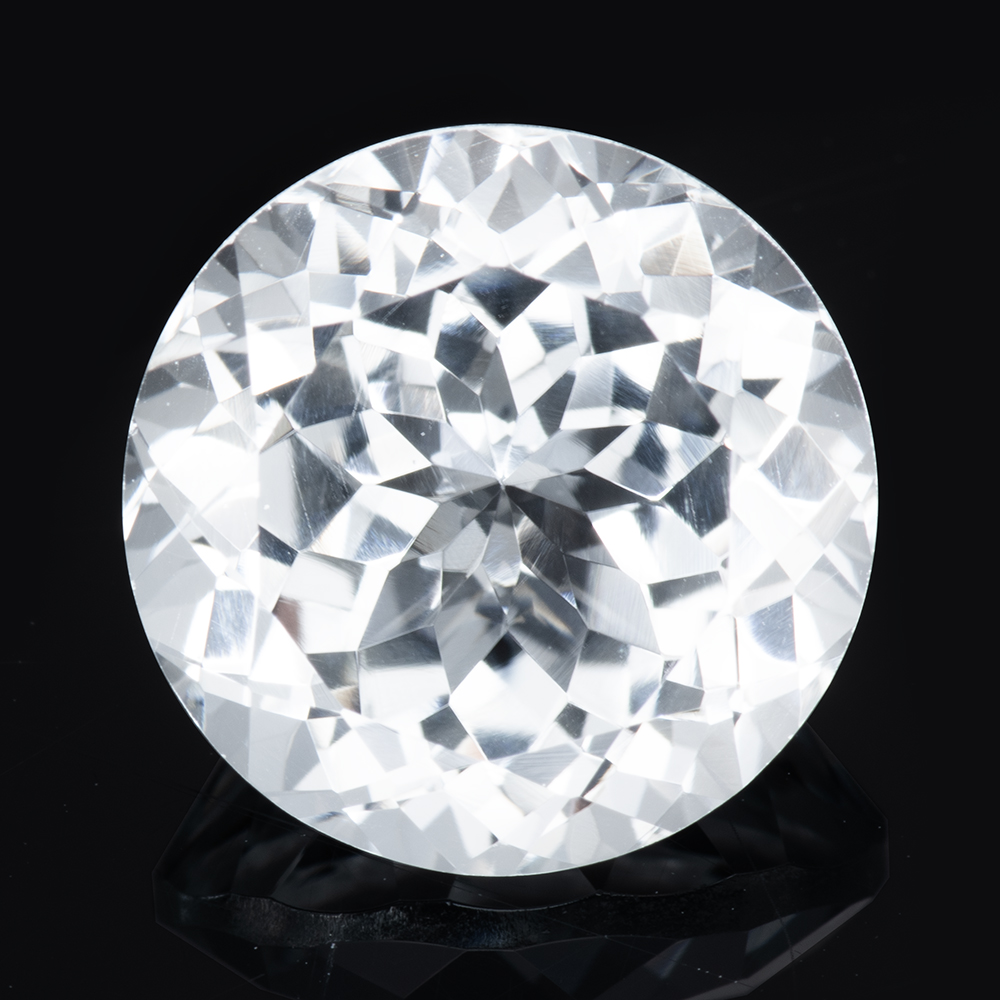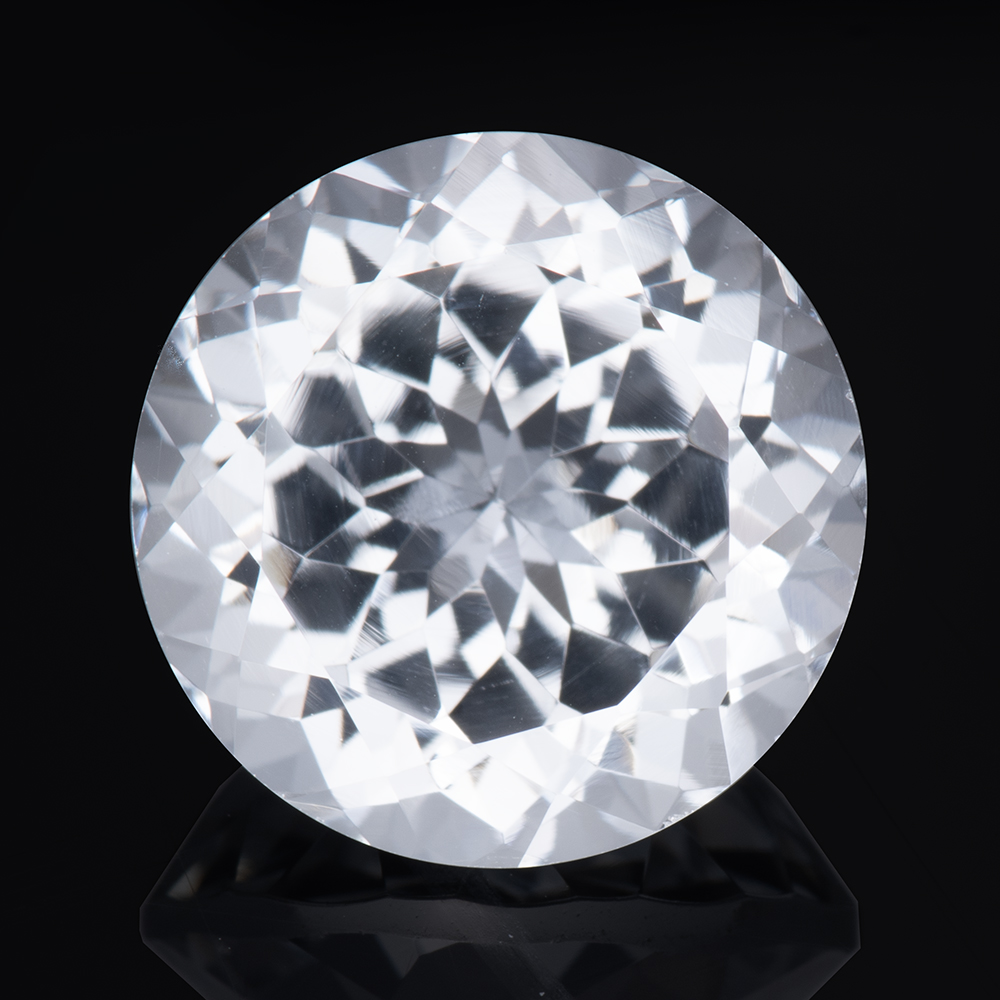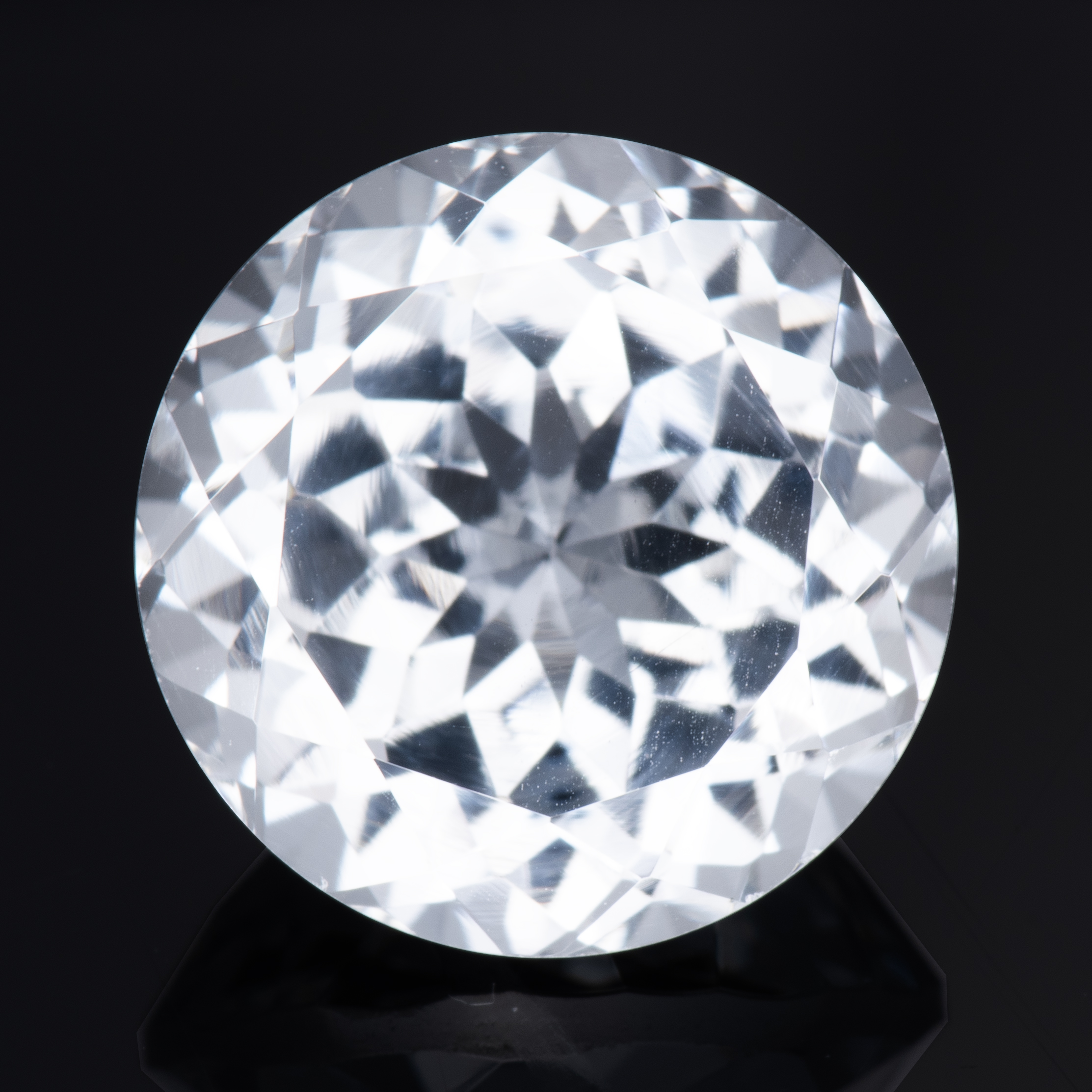
Can I wear this diamond?
From the shop: learn how to choose and wear a diamond for Venus, and see the stones in stock here.

So your astrologer says “You need to strengthen Venus! Wear a diamond on your middle finger.”
Inside you pump up and think “Diamonds, sweet, I have those earrings and that old ring from my grandmother.”
Then he continues, “It needs to weight at least 1 carat, and needs to be set in a ring so that it lightly touches your finger.”
Then you pause, “Hmm, not sure how the ring I have is set and I don’t know how big those earrings are.”
So you get home, dig out those old pieces of jewelry and think, “Well, this is better than nothing, right?”
Now come the real questions; Is it really better than nothing? Is it possible to get negative effects from the stones? Is it Jyotish quality?
These questions deserve an answer but, unfortunately, most of them aren’t “yes” or “no” answers. Diamonds are great because there are very few treatments or synthetics on the market. This means, if you have a diamond, it is probably 100% natural and has not been subjected to any of the stresses or treatments that colored stones are often subjected to. There are also wonderful grading standards put in place by the Gemological Institute of America (G.I.A.), which makes outlining the quality of a diamond much easier.
For Jyotish or Astrology diamonds, or any stone for that matter, the ability of the light to pass through the stone is paramount to effective energy in the stone. A stone with inclusions that inhibit the flow of light is not going to give you a pure source of energy. VS1 clarity or higher (IF-VS1), on the G.I.A. scale, is a safe parameter for a stone that Jyotish would consider active. Color in a diamond is caused by trace elements, such as nitrogen, and the more trace elements, the more color. D through G color diamonds are going to have the best and purest diamond energy. The closer a stone is to colorless and flawless, the higher the degree of energy that the stone will have.
The size of the stone doesn’t have to be right at 1.00ct. If you have a smaller stone with very high color and clarity, many wearers do still report some effects. How much? There’s no real way to answer that other than to reflect on the energy you feel and analyze the predicted results.
So what about Grandma’s ring?
Getting it checked by a graduate gemologist will let you know if your stone falls in the criteria for Jyotish (Vedic Astrology). If it does, even if it’s in a setting where it doesn’t actually touch your skin, it is still suitable to wear for Jyotish. If it doesn’t meet this criteria, well, you can probably wear it as a beautiful piece of jewelry with perhaps some small effect, although likely not the kick your astrologer is recommending for you. The same goes for earrings, which are typically much lower quality stones than those used in rings. Dazzle the audience but keep in mind that for really powerful cosmic energy, going with quality is going to trump size and style every time.
Yellow diamonds

Yellow Diamonds are occasionally recommended as a remedy for Vedic Astrology. Understanding Yellow Diamonds means understanding the different saturation levels of yellow. The yellow color is caused by traces of nitrogen replacing carbon atoms in the molecular structure of the stone. The more nitrogen in the structure, the more vibrant the color becomes.
A Yellow Diamond can be graded as ‘Fancy Light Yellow’ which means it has a faint yellow color. Then there is ‘Fancy Yellow’, which is still a light saturation of color. ‘Intense Yellow’ is where you get a deeper saturation of the yellow color. And the top level is ‘Vivid Yellow’.
As you can imagine, there is a huge price variation between a Fancy Light Yellow and a Vivid Yellow because a Vivid Yellow is many, many times rarer than a Fancy Yellow. A 1ct Vivid Yellow Diamond may sell for more than 5 times that of a Fancy Yellow Diamond and about 10 times more than a Fancy Light Yellow Diamond of the same weight and clarity.

More information on colored diamonds is available on the Gemological Institute of America website.
You can see our current diamonds here.

Graduate Gemologist and Inventory Manager at Astrological Gem. I work with jewelry designers to create unique pieces for our customers. Meet our authors here.