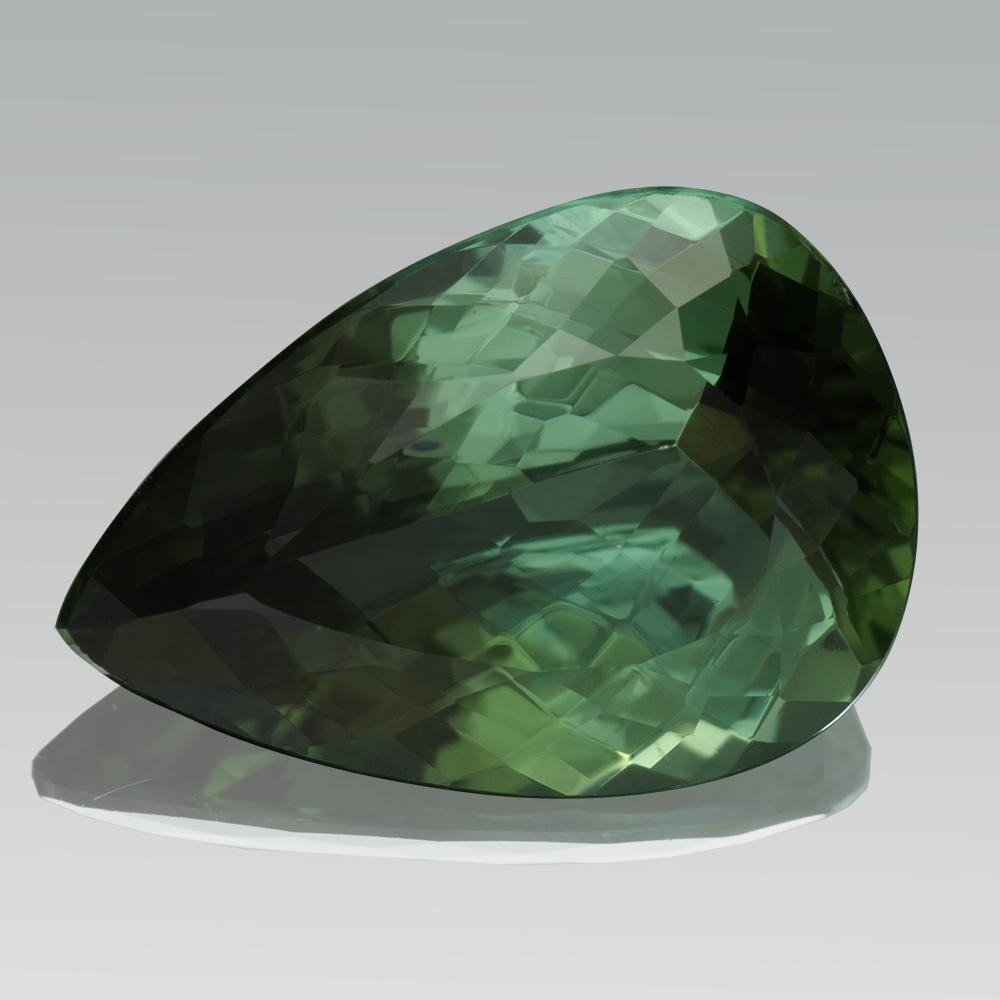
Peridot Stone Benefits in Vedic Astrology

From the Astrological Gem shop: learn how to choose and wear an emerald, the planetary gemstone for Mercury, and see the stones in stock here.
Peridot is the August birthstone. That’s how many people first come to it, so most of what you’ll read about peridot stone benefits comes from the birthstone and crystal healing world.
In Jyotish, or Vedic astrology, peridot is a gemstone for Mercury, the planet of speech, communication, intellect, commerce, and travel.
Peridot is the third choice for Mercury, after emerald and green tourmaline. It carries the same astrological meanings as emerald, usually with a milder effect, and it costs far less, so we generally recommend a larger stone, around 4 to 6 carats.
At a glance
- Peridot strengthens Mercury, so it’s traditionally worn for clear thinking, communication, learning, and business.
- It’s a gentler version of emerald, with the same astrological meanings, a milder effect, and a far lower price.
- It suits the same rising signs as emerald, most of all Gemini, Virgo, Taurus, and Capricorn.
- Choose a natural, untreated stone, clean to the eye, around 4 to 6 carats.
Peridot as a birthstone, and as a Vedic gemstone
If you love peridot because it’s your birthstone, that’s a lovely reason to wear one. A birthstone is picked from a calendar month, whereas a Vedic gemstone is picked from your birth chart, usually from your rising sign (ascendant). So for Vedic astrology, I’d want to see where Mercury sits in your birth chart, before recommending it as a gem for you.
Crystal shops describe peridot in their own ways, with some crossover to the Vedic world – saying it’s good for intellect, communication, and money.
If you already wear peridot jewelry and enjoy it, there’s usually no reason for concern, even if it’s not your Vedic gemstone. Ordinary commercial jewelry is generally fine for anyone to wear, since most jewelry gemstones aren’t the quality required to create a strong astrological influence. Only a small percentage of gemstones are highly flawless, natural, and powerful enough to have a strong astrological effect.
Read how birthstones and Vedic gems differ here.
What peridot is worn for in Vedic astrology
Peridot is an uparatna, a substitute gem for Mercury. An uparatna strengthens the same planet as the primary gem and carries the same astrological meanings, usually with a milder effect, as its spectrum of color is different than the primary gemstone (emerald in this case, which is more of a blue-green color).
Mercury relates to mental processing and communication, but it also affects wit, sharpness, quickness and humor. It’s the planet of learning, writing, analysis, and adaptability, and of skills and dexterity. By nature, Mercury is neutral and even-tempered, with a curious, playful streak, and it brings us curiosity, flexibility, experimentation, and entertainment!
So in Vedic astrology, peridot benefits are Mercury’s, and peridot is traditionally worn for clear thinking and communication, learning and writing, and business skills and adaptability. Gentler green stones like peridot can offer some support for language, communication, and mental organization without strengthening Mercury as intensely as a large, fine emerald, and at a lower cost.
Gemstones help amplify the best possible karmic potential in the chart, but they can’t force a particular result.
Peridot or emerald?
Emerald is the planetary gemstone for Mercury, and the most powerful of the three. Green tourmaline is a great gem for Mercury too, and peridot is the third choice. Both cost far less than a premium quality emerald, and because they’re milder, we carry them in larger sizes.


There are two good reasons to choose a peridot. The first is budget. Substitute stones aren’t as powerful as primary stones, but they are worth considering for those on a tighter budget, and you can always start with a peridot and upgrade to an emerald later. It’s better to wear something than nothing at all, as long as quality comes first.
The second is gentleness. You don’t need a large or expensive emerald for every purpose, and if a fine emerald is more than you need, a peridot gives some Mercury support without the intensity of a fine astrological emerald. Mercury mantras are a good option too.
Between emerald and green tourmaline, there is some energetic difference too. Emerald tends to be more of a yellowish green, and we’ve had some customers report results that makes us think it has subtle Jupiter influence with the yellow tones. Tourmaline tends to be more of a bluish-green, and maybe in some cases has secondary Saturn influence. These distinctions are subtle though – in general it’s best to opt for whichever color you’re most drawn to.
Who should wear peridot?
Peridot strengthens the same planet as emerald, so it suits the same rising signs. Start with your Vedic rising sign, also called your sidereal rising sign (the sign that was rising on the eastern horizon when you were born). If you only know your sun sign, your rising sign is probably different.
- Gemini and Virgo rising: Mercury is the lord of your 1st house, the house of Self, so a Mercury gemstone often works well. Emerald is the first gem I consider for you, and peridot is the gentler, more affordable choice.
- Taurus and Capricorn rising: emerald is also important in many of these charts, so a peridot is worth considering too.
- Libra and Aquarius rising: you can wear a Mercury gem, but with more caution, because Mercury also rules a difficult house in your chart (the 12th for Libra, the 8th for Aquarius). You do best when Mercury is well placed, or with very clear intentions for wearing a Mercury gem.
- Aries, Cancer, Leo, Scorpio, Sagittarius, and Pisces rising: I’d usually avoid Mercury gems, unless your chart gives a specific reason to wear one.
Even when Mercury rules your chart, I’d ask one question first: will more Mercury bring more clarity, organization, and learning, or could more Mercury activity simply add to analysis, worry, and an already overactive mind?
Read which gemstones suit each rising sign here.
Check your own chart
In Vedic astrology, your gemstones come from your rising sign, or ascendant, rather than your birth month or sun sign. Enter your birth date, time and place, and our free gem report will show your Vedic birth chart, the gemstones that are generally helpful for you, and the ones to avoid.
What to look for in a peridot
- Natural and untreated. For peridot, we look for natural, untreated stones.
- A fresh, lively green, clean to the eye, with a cut that’s beautiful, lively, and symmetrical. A peridot doesn’t need to look like an emerald to be beautiful.
- Around 4 to 6 carats. Because peridot isn’t as powerful as emerald, it should generally be at least 4 to 6 carats for impact.
- From Burma if possible. We source Burmese peridot, which is considered the finest in the world, but Pakistani and Afghani peridot are also commonly used. As long as they’re eye-clean, they will work at a lower price point than Burma.
Mercury gems are traditionally set in yellow gold, but it’s perfectly acceptable to set peridot in silver for either budget reasons or personal preference. Most of the effect comes from the stone itself, especially when it’s set to lightly touch your skin. Peridot is worn on the pinky or ring finger, or as a pendant, and Wednesday, Mercury’s day, is the traditional day to start wearing it.

Read how to wear your gemstone here.
Peridot needs protection from hard knocks and sudden temperature changes. Warm, mildly soapy water is safe for cleaning it, but steam and ultrasonic cleaning aren’t recommended.
See our natural, untreated peridots here.
Is a peridot right for you?
The same gemstone that supports one person might be completely inappropriate for another person’s chart. If you’d like me to look at your own chart, I can tell you in a written consultation whether Mercury is a good planet for you to strengthen, and whether I’d lean toward an emerald, a green tourmaline, or a peridot.

Tiffany April Raines is the Vedic Gemologist, CEO and co-owner of Astrological Gem. She joined the team in 2006 as a webmaster and a scientific skeptic. Doubting that astrological gemstones really worked, but curious… Meet our authors here.