Caring for your Jyotish Jewelry
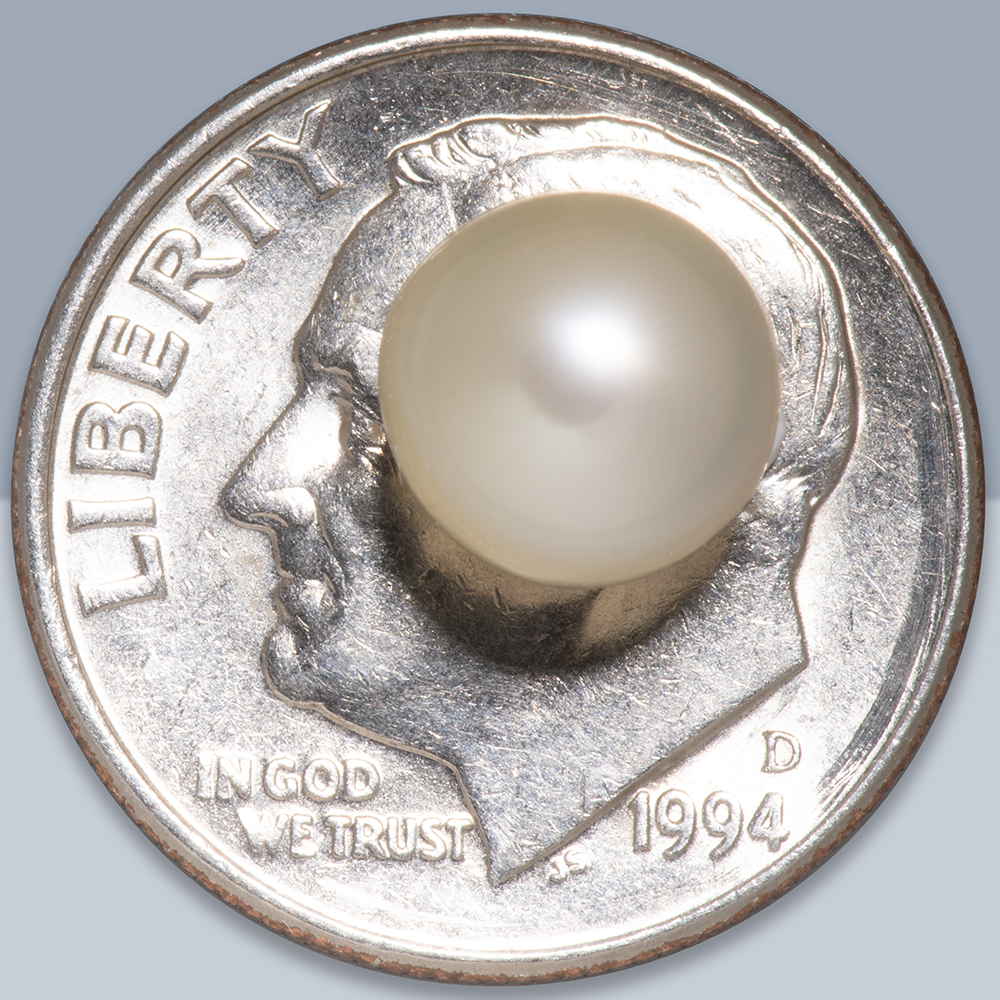
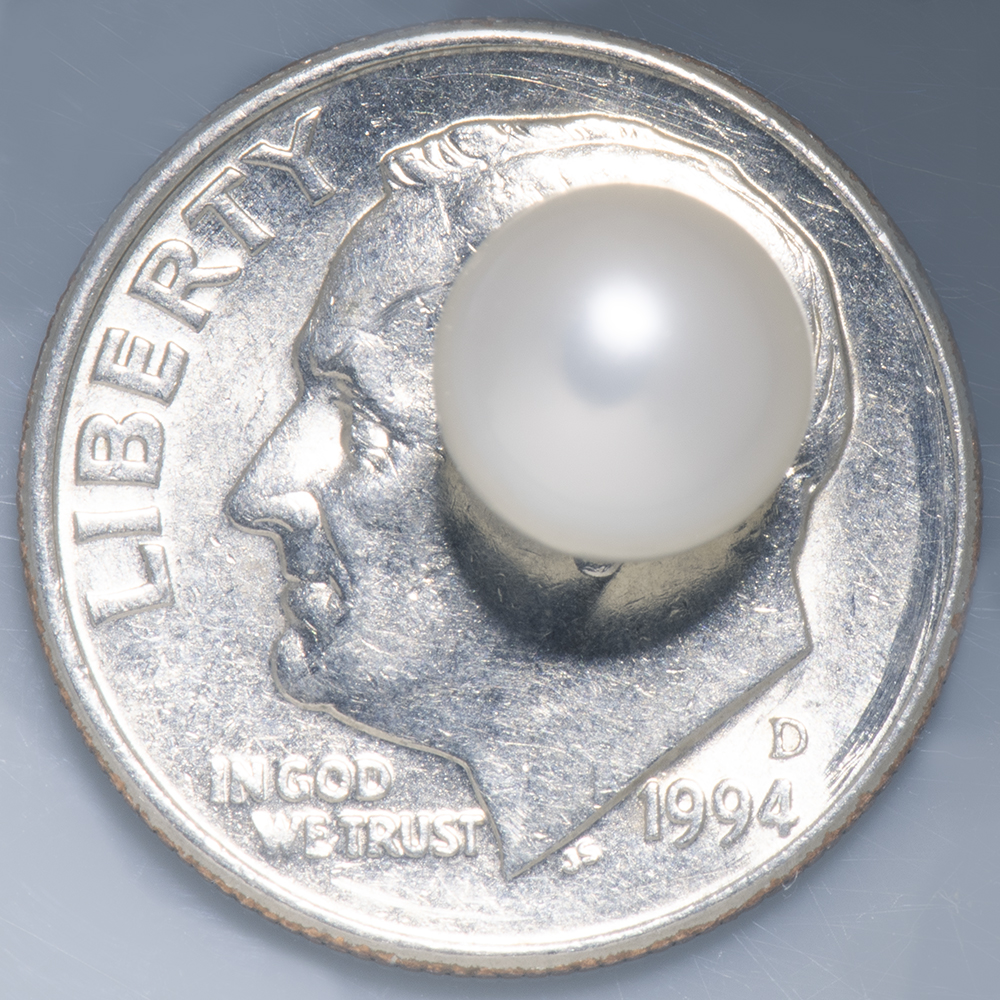
From the shop: learn how to judge a pearl’s shape, luster, surface and size here, before you buy.
Understanding how to care for your astrological gem is an important question that we get frequently. Every type of gemstone has different chemical and physical properties that make caring for them unique. Understanding the factors that make up a gemstone will help to ensure the quality and longevity of your stone.
Durability of a gemstone refers to the combination of three factors: hardness, toughness, and stability. Hardness measures how well a gemstone resists scratching and abrasion. Toughness is the ability to withstand breaking, chipping and cracking. Some stones may be quite hard but because of their atomic structure, they may, in fact, lack toughness. Stability refers to how sensitive a gemstone is to light, heat, and chemicals.
Hardness: Gemstone hardness is measured on a scale called Mohs scale. Friedrich Mohs developed this scale by testing minerals’ ability to scratch other minerals. Diamonds can scratch every other mineral, while only a diamond can scratch another diamond so it is given the highest rating of 10 on the Mohs scale. Corundum, which includes all colors of sapphires and ruby, is the second hardest stone. This means only a diamond or another sapphire can scratch it. Thus, it receives a hardness rating of 9. It is very important to note that, while it is the second hardest gemstone and receives a rating just 1 number lower than diamond, it is 140 times softer than a diamond. See the attached chart for specific gemstone hardness ratings.
Toughness: This is often the most difficult concept to understand. It is very often that people think because they have a hard stone then they have a tough stone as well. This is definitely not the case. The atomic structure of a stone determines the weakness in the crystal.
If you think about the way a tree grows, cutting a tree from the side is very difficult, but splitting a log down the length of it might be done in a single blow. This is because you are cutting it along the grain of the wood. Certain stones grow with atomic planes similar to the grain of wood. When struck along the atomic plane, it is significantly easier to break a stone. If a stone is dropped, a stone that has excellent toughness is less likely to break than a stone that is not as tough.
It is important to note that not all varieties of gemstones are going to have the same toughness just because they are the same type of stone. An example of this would be an Emerald. One Emerald might have good toughness while another has poor or fair toughness. This is due to the inclusions found in the stones. Please note: stones that have inclusions that make them less durable should not be considered for astrological purposes.
Toughness is, perhaps, the most important factor when determining what kind of jewelry to make for your gemstone. Stones that are set in rings are usually subject to more trauma than those in pendants. Metals that are harder, like white gold, may be more difficult to work with for stones that have a lower toughness rating. It is important that the jeweler knows what conditions are appropriate for that particular gemstone. You can see a chart of toughness ratings at the end of this article.
Stability: Most colored stones are very stable, meaning there won’t be an impact from exposure to chemicals, heat, or even light. However, certain stones are very sensitive to heat. While simple daily heat we expose it to may not impact the stone, it is very important that a jeweler not use heat when doing any kind of work on the jewelry. Unheated Sapphires, Rubies, Topaz, Amethyst, Peridot, Emeralds and Tourmaline are stones that should never be subjected to extreme heat as it could cause discoloration or even structural damage.
Organic stones are grown from living organisms and often have a number of stability issues. Pearls and Corals are examples of organic stones that require the most care and attention because they are both soft and porous. This makes them extremely susceptible to heat. They will also absorb oils, lotions and any other liquid they come into contact with. For this reason, it is important not to soak these stones in any kind of milk or creams, as they will discolor the stone. Exposure to things like perfumes and hair products will easily damage the surfaces of these stones as well.
With all these factors in mind, cleaning a stone may seem daunting. Whenever there is a question of appropriate cleaning methods, it is best to err on the side of safety. Warm water and scrubbing with a soft toothbrush or cloth is appropriate for all stones. Soaps and special cleaners should be fine for all stones except organic stones. Special care should always be taken with emeralds; a soft, mild soap should not negatively affect the stone but never put one in very hot water.
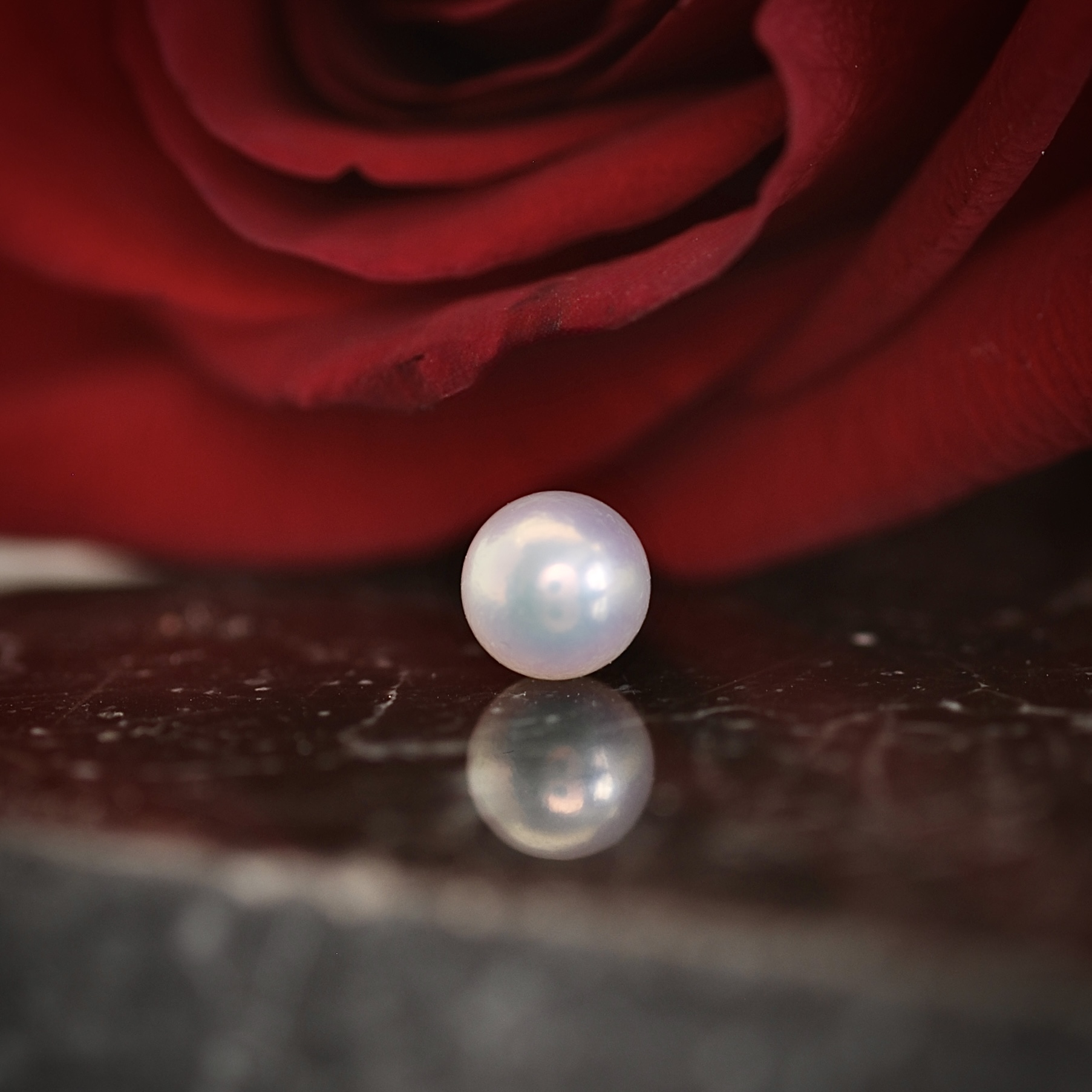
Caring for pearls
Pearls are organic material, made of calcium carbonate just like our teeth and fingernails. This means they are easily damaged when exposed to harsh temperatures, chemicals, and more. Astrological Gem recommends the following guidelines to give your pearls a long and radiant life:

- Your pearl will be healthiest if you do not wear it while applying makeup, perfume, or hair products.
- Be sure to take off your pearl before you apply hand or body creams.
- You can quickly clean your pearl by wiping it with a soft, lint-free cloth. The cloth can be dampened with water or it can be dry. If damp, allow the pearl to air dry before putting it away.
- Dirty pearls can be cleaned with a mild soap and water solution. Water should be room-temperature to warm but never hot.
- Never clean your pearl with solutions that contain ammonia or harsh detergents.
- Don’t put pearl jewelry in an ultrasonic cleaner.
- Don’t use abrasive cleaners or rub pearls with abrasive cloth. Both can wear away the nacre coating.
Don’t store your pearl with other jewelry, because it can be scratched easily when metal or gemstones rub against it. We recommend you find a special slot in your jewelry box away from other objects, or, better yet, keep it in a soft bag made from chamois or another non-abrasive material whenever you are not wearing it.

We welcome any further questions you might have on care and jewelry settings. Questions can be directed to tarah@astrologicalgem.com or through our website AstrologicalGemstones.com.
| GEMSTONE TOUGHNESS GROUPINGS | |
| Exceptional | Jadeite, Nephrite |
| Excellent | Cat’s Eye Chrysoberyl, Ruby, Sapphires |
| Good | Amethyst, Citrine, Coral, Diamond, Emerald, Hessonite*, Pearl*, Peridot, Rhodolite, Spinel, Quartz, Zircon* |
| Fair | Coral*, Emerald*, Hessonite*, Pearl*, Rhodolite*, Tanzanite, Topaz*, Tourmaline, Zircon* |
| Poor | Emerald*, Moonstone, Opal, Topaz*, Zircon* |
* Stones that fall in multiple toughness categories come in ranges of quality due to inclusions. Stones for astrology must have the highest possible degree of clarity, removing them from the lower toughness categories. This degree of clarity can only be determined by an expert gemstone buyer.
MOHS SCALE OF GEMSTONE HARDNESS
| Gemstone Name | Hardness | Gemstone Name | Hardness |
| Agate | 7.0 | Jet* | 2.5 |
| Alexandrite | 8.5 | Kunzite | 7.0 |
| Amber* | 2.5 | Kyanite | 7.0/5.0 |
| Amethyst | 7.0 | Labradorite | 6.0 |
| Ametrine | 7.0 | Lapis Lazuli | 5.5 |
| Andalusite | 7.5 | Malachite | 4.0 |
| Apatite | 5.0 | Moonstone | 6.0 |
| Aquamarine | 7.5 | Morganite | 7.5 |
| Aventurine | 7.0 | Obsidian | 5.0 |
| Azurite | 3.5 | Onyx | 7.0 |
| Beryl | 7.5 | Opal | 6.0-6.5 |
| Bloodstone | 7.0 | Pearl* | 3.0 |
| Blue Chalecedony | 7.0 | Peridot | 6.5 |
| Carnelian | 7.0 | Rhodochrosite | 4.0 |
| Cat’s Eye – Chrysoberyl | 8.5 | Rhodonite | 6.0 |
| Cat’s Eye – Quartz | 7.0 | Ruby | 9.0 |
| Chrysoprase | 7.0 | Sapphire | 9.0 |
| Citrine | 7.0 | Sardonyx | 7.0 |
| Coral* | 3.5 | Scapolite | 6.0 |
| Diamond | 10.0 | Serpentine | 2.5-5.0 |
| Emerald | 7.5 | Sillimanite | 7.5 |
| Fluorite | 4.0 | Quartz | 7.0 |
| Garnet | 6.5-7.5 | Sodalite | 5.5 |
| Goldenite | 7.0 | Spectrolite | 6.0 |
| Goshenite | 7.5 | Spinel | 8.0 |
| Heliodor | 7.5 | Sunstone | 6.0 |
| Hematite | 6.5 | Tanzanite | 6.5 |
| Hiddenite | 7.0 | Tiger’s Eye | 7.0 |
| Howlite | 3.5 | Topaz | 8.0 |
| Iolite | 7.0 | Tortoiseshell* | 2.5 |
| Ivory* | 2.5 | Tourmaline | 7.5 |
| Jade | 6.5-7.0 | Turquoise | 6.0 |
| Jasper | 7.0 | Zircon | 7.5 |
*Not technically a gemstone or a mineral, these materials are organic but used in jewelry.

Graduate Gemologist and Inventory Manager at Astrological Gem. I work with jewelry designers to create unique pieces for our customers. Meet our authors here.