Pink Rubies for Vedic Astrology

From the Astrological Gem shop: learn how to choose and wear a ruby, the planetary gemstone for the Sun, and see the stones in stock here.
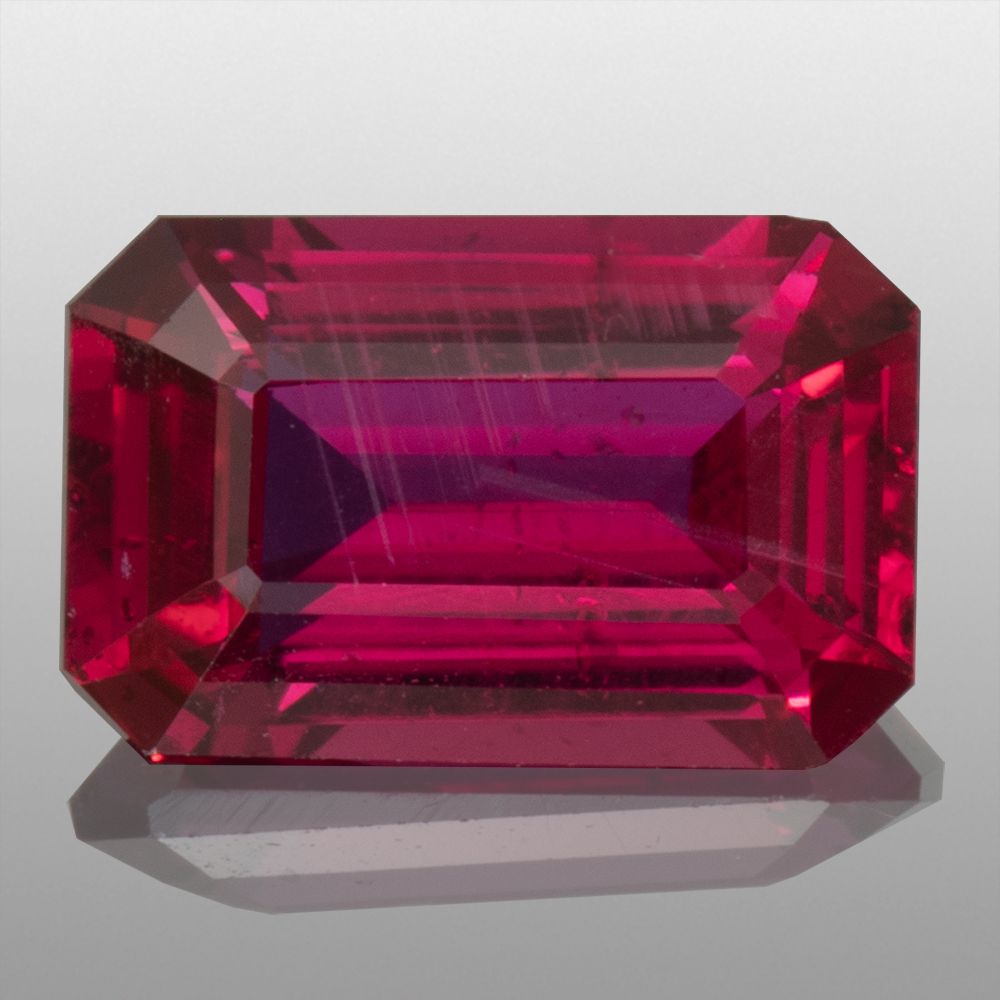
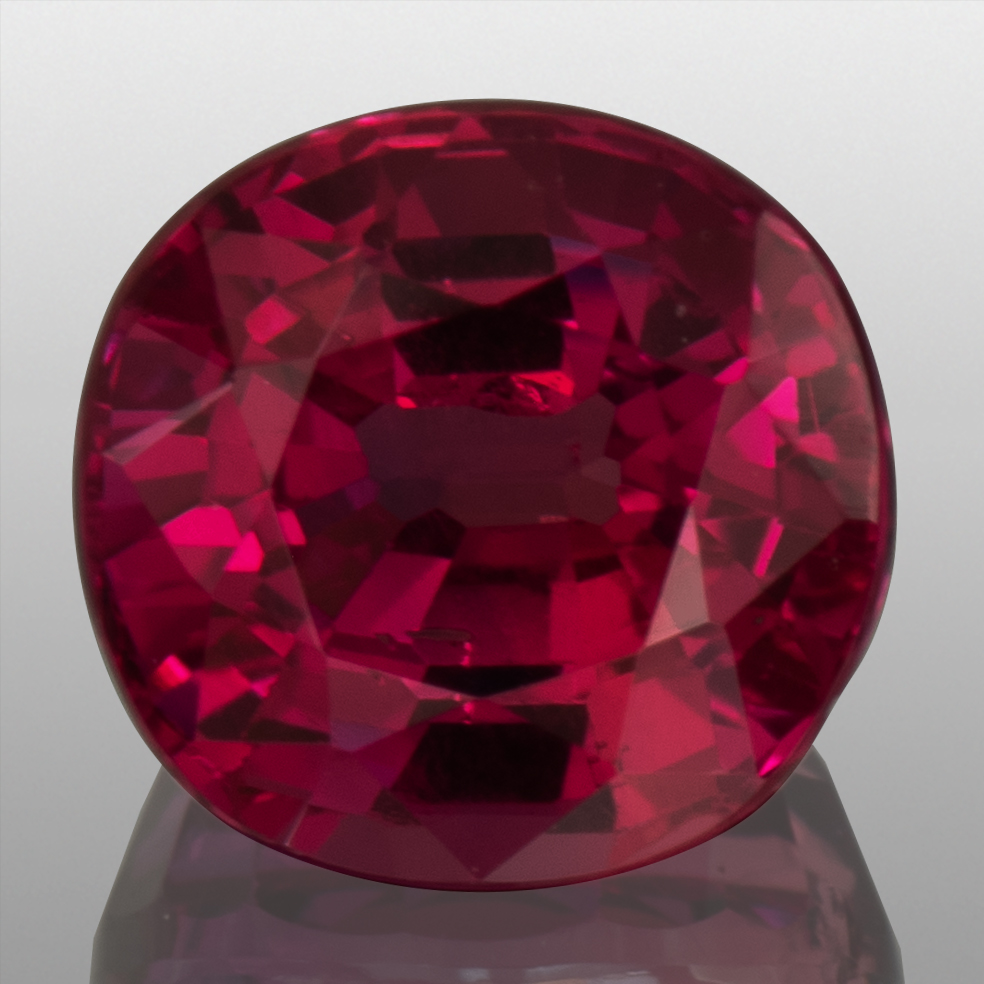
Ruby is the planetary gemstone for the Sun in Jyotish (Vedic astrology). It doesn’t have to be deep red to do its job. Rubies range from pinkish red to the darkest red, and for some people a pinker ruby is actually the better choice. Rubies that are overly dark, almost black in most lighting, aren’t great for Jyotish even if they’re a true red.
Let’s clarify what people mean when they say “pink ruby”, why the labs don’t always agree on what to call a stone, and who I’d steer toward a pinker stone instead of a classic red one.
At a glance
- Is a pink ruby a ruby? Gemologically, there’s no such thing as a pink ruby. A lab grades a stone as either a pink sapphire or a ruby, and funnily enough, the best labs often disagree.
- For Jyotish, this range of color is a spectrum that all has effect. The pinker the stone, the more gently it strengthens the Sun.
- A pinker ruby is worth considering if you have combust planets, if you overheat easily, or if you’d simply prefer a gentler stone.
- A true red ruby is better for people who can handle heat and intensity of a strong Sun gem.
- Pink or red, for Vedic use, the stone needs to be 100% natural and unheated, as clean as possible, and set with an open back.
Pink ruby or pink sapphire?
Gemologically speaking, there’s no such thing as a pink ruby. Ruby and pink sapphire are actually the same mineral, corundum, and the color comes from chromium. A little chromium makes the stone pink, and more chromium makes it red. When a lab grades a stone, it calls it either a pink sapphire or a ruby, and there’s no official category in between.
But the color doesn’t change at a clean line, so the stones in the middle are a real gray area in industry terminology, and labs will often differ on whether they grade one a ruby or a pink sapphire.
GIA (the Gemological Institute of America) only calls a stone a ruby when red is its main color, while the International Colored Gemstone Association counts any red corundum as a ruby, however light it is. So the very same stone can come back as a ruby from one lab and a pink sapphire from another. When people say “pink ruby”, they usually mean one of these in-between stones that leans red enough to be called a ruby.
For the Vedic world, that gray area really isn’t a problem. In Jyotish it’s a spectrum, and it’s a wonderfully effective one. Whatever name the lab puts on a stone in the middle, what I’m looking at is whether it’s natural and unheated, and how much red (and so how much heat) it carries.
From pink sapphire to ruby


Rubies often have pinkish or purplish undertones, and different lighting conditions can change how they appear. Mozambique rubies are often more of that true-red color, but they’re often extremely dark. Finding a true-red ruby with a bright, vivid, open color is quite rare (and quite expensive in Vedic quality).
Why a pinker ruby is sometimes the better choice
The Sun is one of the natural malefics (the planets that are challenging by nature). It’s a hot, fiery planet, and in Jyotish it should always be kept in balance. A ruby strengthens the Sun, and a pinker ruby strengthens it more gently, so there are a few situations where I’d generally lean toward a pinker stone.

When planets are combust
A combust planet is one that sits so close to the Sun by degree that the Sun burns up its strength. Those planets are already under a great deal of “heat”, so turning the Sun up even further in that chart needs some care. A pinker ruby gives the Sun support without overwhelming the planets sitting right next to it.
When you overheat easily
If you have a tendency toward overheating or a pitta imbalance (pitta is the fiery constitution in Ayurveda), I’d be mindful about wearing large red stones. A small and sweet pinkish ruby is a milder but still auspicious choice, and if you run hot, physically or emotionally, a big deep red ruby can be a lot to live with.
When you’d rather have less intensity
Some people are sensitive to strong gemstones, and some simply want the Sun’s support turned down a notch. A pinker ruby can still support vitality and confidence, just more softly.
Size works the same way as color here. If you tend to overheat, I’d go with a smaller Sun gemstone or a pinker one, and if you’re choosing pink to soften the Sun, there’s really no need to then go big with it.
Who does better with a true red ruby
True red rubies are better for people who can handle heat and intensity. They’re traditionally worn for success, brilliance and empowerment, and they’re best suited when the Sun is well placed in your chart but weak by degree, or otherwise in need of an energy boost. If you can handle it, a larger, more vivid red ruby gives the Sun the most support.
So when I’m choosing between pink and red for someone, I’m really thinking about how much Sun that person, and their chart, can comfortably carry.
What to look for in a pink ruby
A pink ruby has to meet all the same standards as any other ruby:
- Natural and unheated, with no other treatment. Heating is very common in rubies, and some are even filled with glass to make them look cleaner. Unfortunately neither one works for Jyotish.
- A report from a reputable lab confirming the stone is natural and unheated. If the stone sits in the gray area, the report may say ruby or pink sapphire depending on the lab, so don’t worry too much about the name. How it appeals to you is most important.
- As close to eye-clean as possible, with no black inclusions. Fine wisps of rutile silk can be acceptable as long as they don’t cloud the stone.
- Around 1 carat is a practical place to start, and particularly fine stones under 1 carat can be considered too.
- An open back, in a ring or a pendant, so the underside of the stone lightly touches your skin.
We used to sell heated rubies for Jyotish, because the Sun can handle heat. But heating does alter the stone’s chemical structure, and over about 10 years we noticed that the #1 stone we had long-term buyback requests for was heated ruby, so we stopped selling them. Every ruby we sell now is natural and unheated.
A ruby is traditionally set in gold and worn on the ring finger of either hand, starting on a Sunday, the day of the Sun. If a ruby isn’t in the budget right now, red spinel and rhodolite garnet are the more affordable Sun gemstones.
Read our full ruby buying guide here.
Is a ruby right for you at all?
Of course, before choosing between pink and red, you’d want to know whether a Sun gemstone suits your chart at all. That depends on your rising sign, where your Sun sits, which houses it rules for you and which planetary period (dasha) you’re in. The same gemstone that supports one person might be completely inappropriate for another person’s chart.
Read which gemstones suit each rising sign here.
Check your own chart
Enter your birth date, time and place, and our free gem report will show your Vedic birth chart, the gemstones that are generally helpful for you, and the ones to avoid.
If you’d like me to look at your own chart, I can tell you in a written consultation whether a ruby makes sense for you, and whether I’d lean pink or red. And when you’re ready to look at stones, see our natural, unheated rubies here.

Tiffany April Raines is the Vedic Gemologist, CEO and co-owner of Astrological Gem. She joined the team in 2006 as a webmaster and a scientific skeptic. Doubting that astrological gemstones really worked, but curious… Meet our authors here.